Polyimide tape is widely known for its high heat resistance and electrical insulation performance. It is often chosen for demanding environments such as power electronics, aerospace components, and advanced manufacturing. However, even polyimide tape can fail when exposed to extreme thermal cycling—rapid and repeated temperature changes that push materials beyond steady-state conditions.
Understanding why these failures happen helps engineers, buyers, and technicians choose the right tape and avoid costly downtime.
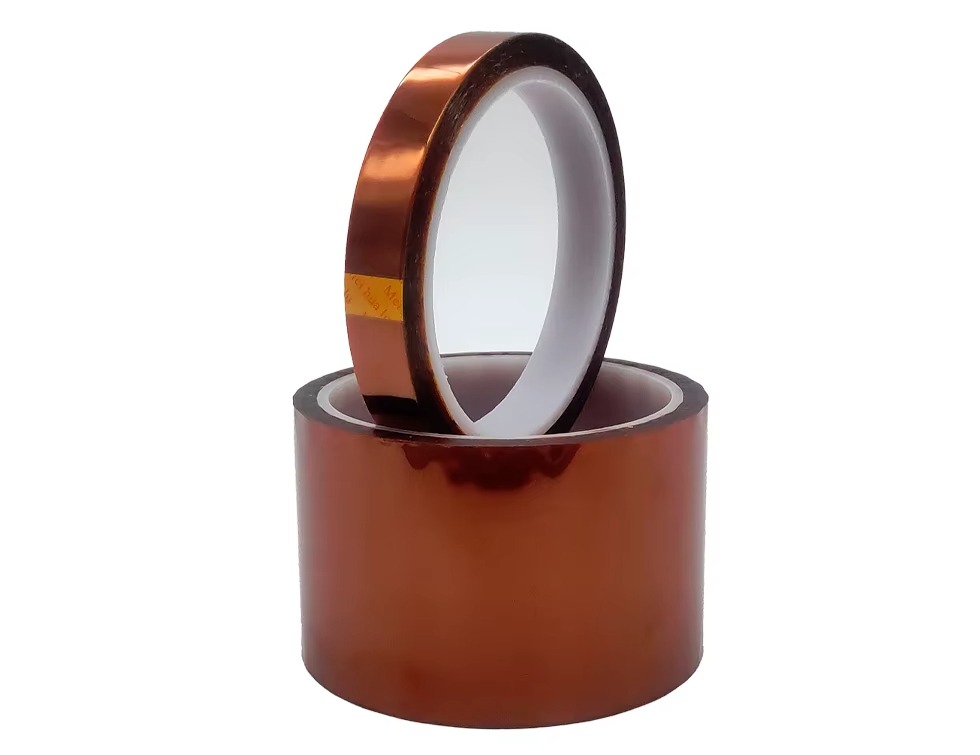
Many users focus on polyimide temperature ratings, but real-world conditions are rarely static. In applications like power modules, motors, and polyimide tape 3D printing, components may move quickly from low to high temperatures.
For example:
•–40°C cold starts followed by rapid heating
•Repeated on/off power cycles
•Local hot spots near coils or heating elements
This constant expansion and contraction creates internal stress that gradually weakens both the film and the adhesive layer.
Polyimide film has excellent heat stability, but no material expands and contracts perfectly evenly. During repeated cycling, small internal stresses build up. Over time, these stresses can cause:
•Micro-cracks in the film
•Edge lifting or curling
•Layer separation in double sided polyimide masking tapes
These issues often appear long before total failure.
In most failures, the adhesive—not the film—is the weak point.
Under rapid temperature changes:
•Acrylic or silicone adhesives may harden at low temperatures
•High heat can accelerate adhesive aging
•Stress concentrates at the tape-to-substrate interface
This is especially important for polyimide silicone tape, where flexibility must be maintained across a wide temperature range.
During thermal cycling, the polyimide film may experience small but repeated dimensional changes. In precision applications, even minor movement can:
•Reduce insulation reliability
•Create gaps or overlaps
•Affect alignment in electronics and polyimide tape 3D printing platforms
Customers often report the same warning signs:
•Reduced adhesion after several cycles
•Tape edges lifting or shrinking
•Bubbling or discoloration
•Electrical insulation resistance dropping
•Residue left behind after removal
In power equipment, these issues can lead to overheating, short circuits, or unexpected shutdowns.
Choose Tape Designed for Thermal Cycling, Not Just High Heat
Not all polyimide tape products behave the same. Look for:
•Adhesives tested under temperature cycling, not single-point heat tests
•Stable performance across the full operating range
•Proven results in repeated expansion and contraction environments
•Silicone adhesive performs better under extreme temperature swings
•Acrylic adhesives offer strong bonding but may need tighter temperature control
For assemblies that require repositioning or dual-surface bonding, double sided polyimide masking tapes should be selected carefully based on cycling performance.
Even the best tape will fail if surface preparation is ignored:
•Remove oils, moisture, and dust
•Avoid applying tape in cold or humid conditions
•Apply uniform pressure during installation
These steps significantly improve long-term adhesion stability.
Reliable suppliers validate performance using:
•High-low temperature cycling chambers
•Adhesion retention testing
•Electrical insulation monitoring over time
This is where experience makes a difference.
At QKD, we have over 15 years of experience in manufacturing high-performance insulation tapes. With a 15,000 m²modern production facility, we control the process from polymer formulation to precision coating.
Our polyimide tape solutions meet ISO 9001 standards and comply with UL, IEC, CE, and RoHS requirements. We also provide OEM and ODM services, tailoring tapes for insulation, flame resistance, and extreme thermal cycling environments.
From prototype testing to volume production, QKD works closely with customers to ensure reliability—not just on paper, but in real operating conditions.
Q1: Can polyimide tape fail even below its rated temperature?
Yes. Repeated thermal cycling can cause failure even when peak temperatures stay within limits.
Q2: Is silicone adhesive better for thermal cycling?
In most cases, yes. Silicone adhesives handle rapid temperature changes more consistently.
Q3: Does double sided polyimide tape behave differently?
Yes. Dual adhesive layers increase stress concentration and require careful selection.
Q4: Is polyimide tape suitable for 3D printing beds?
Yes, but only when matched to the heating cycle and surface conditions.
If you’re facing adhesion or insulation issues under extreme temperature changes, choosing the right polyimide tape—and the right manufacturer—makes all the difference.
Polyimide Tape EMI Shielding Capabilities Explained
Is Polyimide Tape Electrically Conductive? A Guide That Separates Fact from Fiction
What is Polyimide Tape? The Ultimate Guide to the Invisible Hero of High-Tech Manufacturing
What is the Difference Between Polyimide and Polyester Tape?
Is Kapton Tape the Same as Polyimide Tape? The Complete Guide
Application of Electrical Tape in High-Temperature Environments


