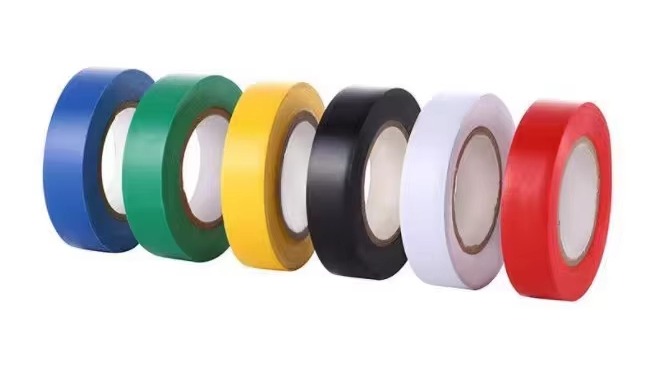
Electrical tape can lose adhesion in cold conditions because most adhesive formulas become rigid as temperature drops, reducing their ability to bond to surfaces. This often leads to peeling, lifting, and poor long-term performance in low-temperature environments.
Cold weather affects tape performance in several ways:
Most pressure-sensitive adhesives (PSA) rely on polymer chains that stay flexible. When temperatures fall, these polymers stiffen and no longer flow into surface irregularities — the microscopic contact points that create a strong bond.
As temperatures decrease, many plastics and substrates contract at different rates than the adhesive, causing stress at the bond line and promoting peeling.
Cold surfaces often attract condensation, which interferes with proper adhesion and leads to blistering or lifting.
These are common real-world examples:
•Outdoor electrical repairs in winter
•Vehicle wiring in cold climates
•Insulation on refrigeration units
•Temporary weather-seal applications
Each case involves temperatures often well below +10°C (50°F), conditions where many electrical tapes lose significant adhesive strength.
•Choose Tapes Rated for Low Temperature
Look for products specifically rated for cold environments (check technical data sheets — TDS). Many manufacturers list temperature ranges in their TDS, which is the best source for performance limits.
•Pre-Condition the Surface
If possible, warm up the surface before application. Clean and dry thoroughly to remove moisture.
•Use Primer or Surface Promoter
Some brands offer primers that enhance adhesion at lower temperatures, especially for rough or painted surfaces.
According to pressure-sensitive adhesive standards and technical publications, adhesives begin to lose flexibility significantly below their minimum service temperature, reducing peel strength and shear resistance. Adhesion ratings often depend on the exact polymer formula and backing material used in the tape.
Q: Will electrical tape never work in winter?
A: It can still work for short-term fixes, but for long-term adhesion, choose products rated for the expected low temperature.
Q: How do I check a tape’s temperature rating?
A: Always refer to the manufacturer’s technical data sheet—it lists minimum and maximum service temperatures and other performance metrics.
Q: Can cold affect vinyl and PVC tapes differently?
A: Yes. Different polymer formulations will behave differently; consult the TDS or manufacturer guidelines for specifics.
Cold temperatures are a common reason electrical tape fails, but with the right product choice, surface preparation, and understanding of tape ratings, you can avoid many of the issues that cause peeling or lifting.
How to Choose the Right PVC Electrical Insulation Tape for Harsh Environments
Why Thickness and Tensile Strength Matter in PVC Electrical Insulation Tape
PVC Electrical Insulation Tape in Outdoor Applications: What to Look For
How Long Will Electrical Tape Last? The Truth About Tape Lifespan
Why Does Electrical Tape Come Loose? The #1 Mistake DIYers Make
Does Electrical Tape Fix Broken Wires? Here's What You Should Know


