Electrical systems that operate at elevated temperatures place long-term stress on insulation materials. Heat, voltage, vibration, and continuous operation often act together. In these conditions, many standard tapes begin to harden, shrink, or lose adhesion. This is where polyester tape is commonly chosen in electrical manufacturing and maintenance work.
In real-world applications such as motors, transformers, and power control units, polyester electrical tape is valued not because it is flexible, but because it stays stable when heat becomes a constant factor rather than a short exposure.
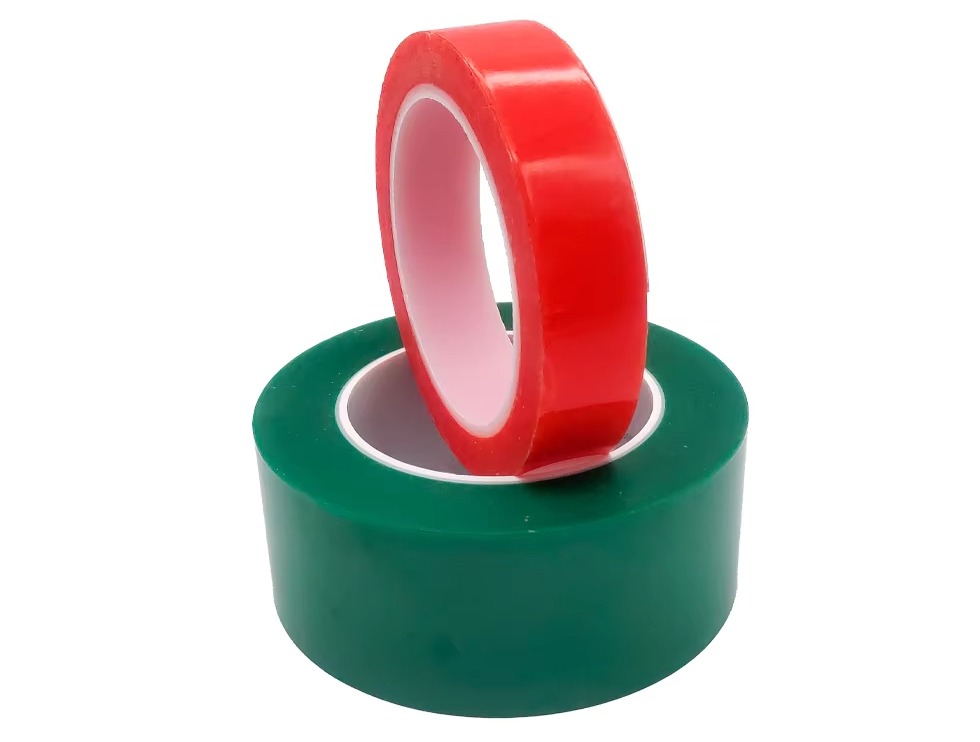
The key reason polyester film tape performs well at high temperatures lies in the structure of the polyester film itself. Polyester has a relatively stable molecular arrangement, which helps it maintain dimensional stability when exposed to continuous heat.
Most polyester insulation tape products are designed around Class B (130°C) or Class F (155°C) thermal systems. In practice, this allows the tape to remain usable during long operating cycles without curling, cracking, or excessive shrinkage. Short temperature spikes above the rated level may occur in electrical equipment, and well-designed high temperature polyester masking tape can usually tolerate these brief events without immediate failure.
Adhesive selection also matters. Acrylic and silicone adhesive systems are commonly paired with polyester film to prevent softening or residue under heat, which is especially important in compact electrical assemblies.
Heat increases electrical risk. As temperature rises, insulation materials are more likely to experience leakage current or dielectric breakdown. Polyester electrical tape is widely used because its insulation performance remains stable across a broad temperature range.
Typical electrical characteristics include high dielectric strength and reliable insulation resistance. This makes polyester insulation tape suitable for applications such as coil wrapping, phase separation, and interlayer insulation in transformers and electric motors. In these systems, both heat and voltage are present at the same time, so consistency is often more important than flexibility.
Electrical insulation is rarely under purely thermal stress. Vibration, winding tension, and mechanical movement are common in motors and rotating equipment. Polyester tape offers high tensile strength and good resistance to tearing, which helps it maintain integrity during installation and operation.
Many engineers prefer green polyester tape because it improves visibility during winding and inspection. Compared with softer materials, polyester film tape holds its shape better and resists edge damage, especially in automated or high-speed processes.
Repeated heating and cooling cycles can weaken some materials over time. Polyester tape tends to age more slowly in these conditions, which reduces the chance of insulation failure caused by mechanical fatigue.
High-temperature electrical systems are often exposed to moisture, oils, or cleaning agents. Polyester film tape shows good resistance to these factors, which helps protect insulation performance over time.
Moisture resistance is particularly important in enclosed equipment or humid environments. Oil and solvent resistance allow polyester electrical tape to be used in industrial settings where contamination cannot be fully avoided. Many polyester tapes also meet flame-retardant and halogen-free requirements, supporting safety standards in regulated industries.
Because of its balanced properties, polyester tape is commonly used in:
•Transformer and motor coil insulation
•Cable core wrapping and reinforcement
•Slot insulation in electric motors
•Power supply and inverter assemblies
•Temporary masking during high-temperature electrical processing
In masking applications, high temperature polyester masking tape protects sensitive areas during heating while remaining removable when used within specified limits.
Choosing the correct polyester tape depends on the actual operating conditions. Key factors usually include temperature class, adhesive type, film thickness, and mechanical stress.
For example, acrylic adhesives are often sufficient for general electrical insulation, while silicone adhesives are better suited for higher or more fluctuating temperatures. Thickness and tensile strength should match the winding method and equipment design. Working with an experienced polyester tape manufacturer can help avoid mismatches that lead to early failure.
How QKD Tape Supports High-Temperature Electrical Projects
QKD Tape develops polyester tape solutions based on long-term electrical performance rather than short-term testing alone. With more than 15 years of experience and a 15,000-square-meter production facility, QKD Tape manages the full process from material formulation to precision coating.
All polyester insulation tape products are manufactured under ISO 9001 quality management systems and comply with UL, IEC, CE, and RoHS standards, supporting use in global electrical markets.
QKD Tape also offers OEM and ODM services for electrical tape applications, including insulation, flame-retardant, and high-temperature solutions. From early technical discussions and sample trials to stable mass production, projects are supported with consistent quality and controlled delivery.
In high-temperature electrical environments, insulation materials must remain stable over time, not just during initial testing. Polyester tape offers dependable thermal resistance, electrical insulation, mechanical strength, and environmental durability. Whether used as polyester electrical tape, polyester film tape, or high temperature polyester masking tape, it continues to be a practical solution for demanding electrical systems.
Selecting the right product — and a reliable manufacturing partner — helps reduce maintenance risk and improve long-term system performance.
Is polyester tape suitable for continuous high-temperature operation?
Most polyester tapes are designed for Class B or Class F thermal systems and can handle continuous heat within those limits.
Can polyester electrical tape be used in high-voltage equipment?
Yes. Its dielectric strength and insulation stability make it suitable for motors, transformers, and similar applications.
How does polyester tape compare with PVC electrical tape?
Polyester tape handles higher temperatures and mechanical stress better, while PVC tape is more flexible but lower-rated.
Does high temperature polyester masking tape leave residue?
Quality products are designed for clean removal when used within their specified temperature range.
Can QKD Tape customize polyester tape solutions?
Yes. QKD Tape provides OEM and ODM services for electrical and high-temperature tape applications.


